

Stand inside the frame of a new house once the roof is on and look up. Between the rafters and the roof tiles or metal sheeting, you will often see a silver layer stretched across the whole roof. That layer is called sarking, and it does more work than most people realise.
Roof sarking reflects radiant heat, keeps out dust and wind-driven rain, carries condensation away from the roof space and, in bushfire-prone areas, helps stop embers getting in. It is easiest to install while the roof is going on, and very hard to add afterwards. This guide explains what sarking is, what it does under tiles and metal roofs, when it is required, and whether it is worth adding to a new build or reroof in Melbourne.
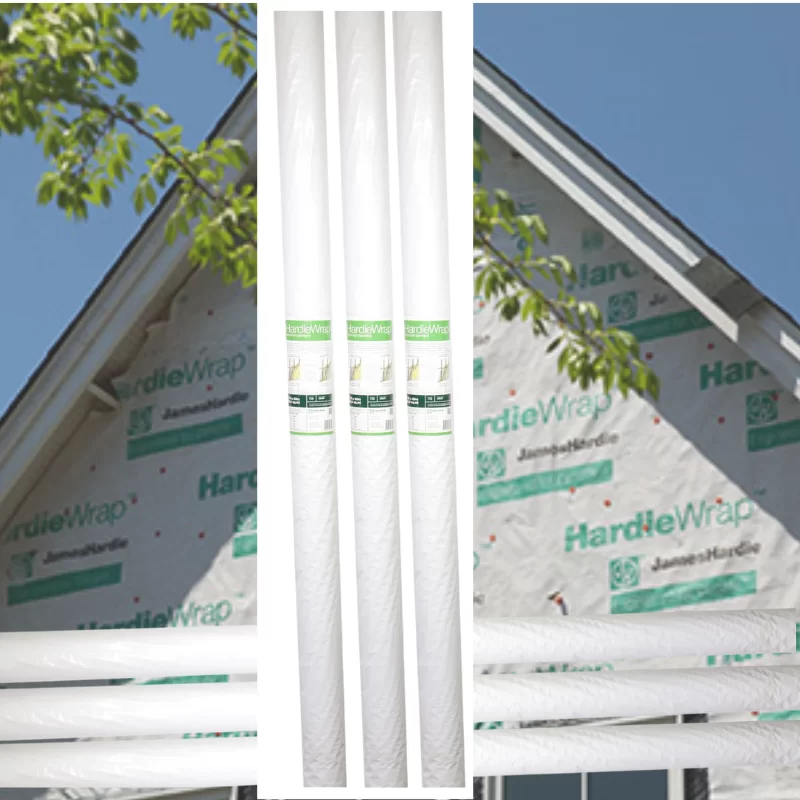
Sarking at a glance
- A reflective membrane laid under the roof tiles or metal sheeting
- Reflects summer heat, blocks wind-driven rain and dust, manages condensation
- Can be required in bushfire-prone areas, depending on your BAL rating
- Goes in at roof stage, so plan for it on a new build or reroof
- Works with your ceiling insulation, it does not replace it
What is roof sarking?
So, what is sarking? Roof sarking is a flexible membrane laid over the rafters or trusses, directly under the roof battens, so it sits just beneath the roof covering. Most sarking is a reflective foil laminate, which is a layer of aluminium foil bonded to a reinforcing scrim or paper. Some newer products are vapour permeable, which means they let water vapour pass through while still stopping liquid water.
In Australia, pliable building membranes like sarking are covered by AS/NZS 4200.1 for the materials and AS 4200.2 for installation. Products are graded by duty (light, medium or heavy), by how well they resist water, and by how much water vapour they let through. Those ratings matter, because the right sarking for a tiled roof in a bushfire area is not necessarily the right sarking for a metal roof in a cool, damp spot.
Sarking is installed by the roofer or carpenter at roof stage. It is laid in horizontal runs with generous overlaps and a slight sag between rafters, so any water that gets under the roof covering runs down the membrane and out into the gutter.
What sarking does
☀ Reflects radiant heat
On a summer afternoon a Melbourne roof gets extremely hot, and that heat radiates down into the roof space. A reflective foil sarking facing an air gap bounces much of that radiant heat back, which keeps the roof space cooler and takes some of the load off your ceiling insulation.
☂ Stops wind-driven rain and dust
Roof tiles are not watertight. In heavy, wind-driven rain, water can be pushed up and under the tiles, and fine dust finds its way through the gaps. Sarking acts as a second line of defence, catching that water and dust before it reaches the ceiling.
💧 Manages condensation
On a cold, clear night the underside of a metal roof cools quickly, and moisture in the roof space can condense on it and drip onto the insulation below. Sarking under a metal roof catches that condensation and directs it to the gutter, which protects the ceiling insulation and the timber framing from moisture damage.
🔥 Helps keep embers out
In bushfire-prone areas, embers carried by the wind can enter a roof through gaps under tiles. A continuous layer of sarking under the roof covering is one of the measures used to reduce that risk.
Tip: the air gap is essential. Foil only works as a reflective insulation when there is a still air space next to it.
What sarking does not do is replace bulk insulation. It adds a modest thermal benefit, mostly in summer, but the heavy lifting on thermal performance and energy efficiency is still done by the ceiling insulation sitting on top of the ceiling.
Sarking under tiles vs sarking under a metal roof
The job sarking does changes with the roof covering.
Under tiles
The main benefits are weather protection and dust control. Tiled roofs have thousands of small gaps, so sarking provides a continuous barrier behind them. In bushfire-prone areas it also plays a part in ember protection.
Under a metal roof
Condensation becomes the bigger issue. Metal sheeting loses heat fast at night, so a metal roof without any sarking or blanket underneath can drip onto the ceiling below in cool weather. Sarking under a metal roof, or a foil-faced roofing blanket, also cuts down radiant heat in summer and reduces rain noise.
The 2022 edition of the National Construction Code brought in tighter rules for managing condensation in new homes in cooler climate zones, which include Melbourne. That makes the choice of membrane, and its vapour permeance rating, worth confirming with your designer or building surveyor.
Is sarking required in Melbourne?
Not on every roof. Sarking is not mandatory for every new home, but it can be required in some situations.
Building in a bushfire-prone area?
The main one is bushfire. If your site is in a designated bushfire-prone area, it will have a Bushfire Attack Level (BAL) rating, and the construction requirements for that BAL come from Australian Standard AS 3959. Depending on the BAL and the roof type, those requirements can include sarking or a similar ember barrier under the roof covering. Your building surveyor confirms what applies to your site, and the Victorian Building Authority’s guide to bushfire areas and overlays explains how sites are classified.
Roof tile and roof sheet manufacturers may also call for sarking under some roof pitches or in some exposure conditions, so it is worth checking their installation requirements as well.
Sarking, roofing blankets and ceiling batts: how they work together
These three products are often confused, but they do different jobs.
Sarking
A thin reflective membrane under the roof covering. It reflects heat and manages water and condensation.
A roofing blanket
Bulk insulation with a foil face, laid under metal roof sheeting. It combines the reflective and condensation benefits of sarking with some bulk insulation and good rain-noise reduction.
Ceiling batts
Sit on top of the ceiling and provide most of the home’s thermal resistance against heat losses in winter and heat gain in summer.
In most Melbourne homes, ceiling insulation does the main job and sarking or a roofing blanket supports it from above. Our guide to the best roof insulation for Melbourne homes covers how these layers fit together. For walls, the equivalent product is building wrap, which does a similar weather and condensation job behind the cladding.
Adding sarking to an existing roof
Sarking is laid over the rafters and under the battens, so in practice it can only go in when the roof covering is off. For an existing home, a sarking roof upgrade usually happens during a reroof, or when tiles or sheets are removed for major repairs. If you are planning a reroof, it is the right time to ask your roofer about sarking.
Not reroofing? If you are not reroofing, the most effective way to improve the thermal performance of an existing roof is from below, by checking and topping up the ceiling insulation.
The sarking products we supply
SUPPLY ONLY
Climate Control Insulation supplies roof sarking and roofing blankets to builders, roofers and owner-builders across Melbourne. We supply these products only, and your roofer or carpenter installs them at roof stage. The range includes:
- Fletcher Sisalation roof sarking
- Permastop Building Blanket, a foil-faced roofing blanket for metal roofs
- Kingspan Air-Cell Insulbreak, a foil-faced underlay for metal roofs
- Ametalin SilverSark and ThermaSarking
- Bradford Thermoseal roof sarking
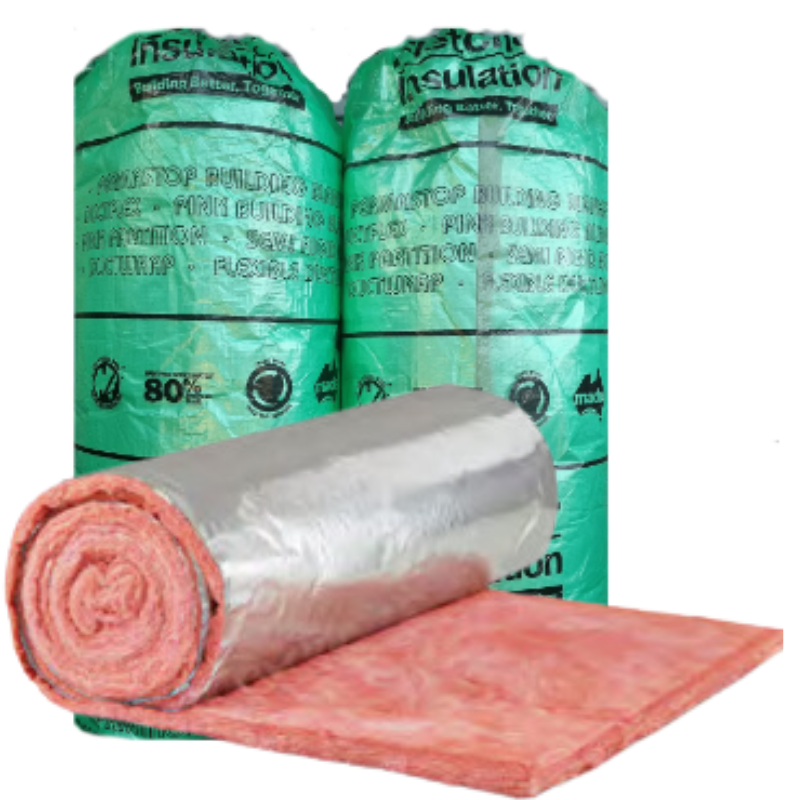
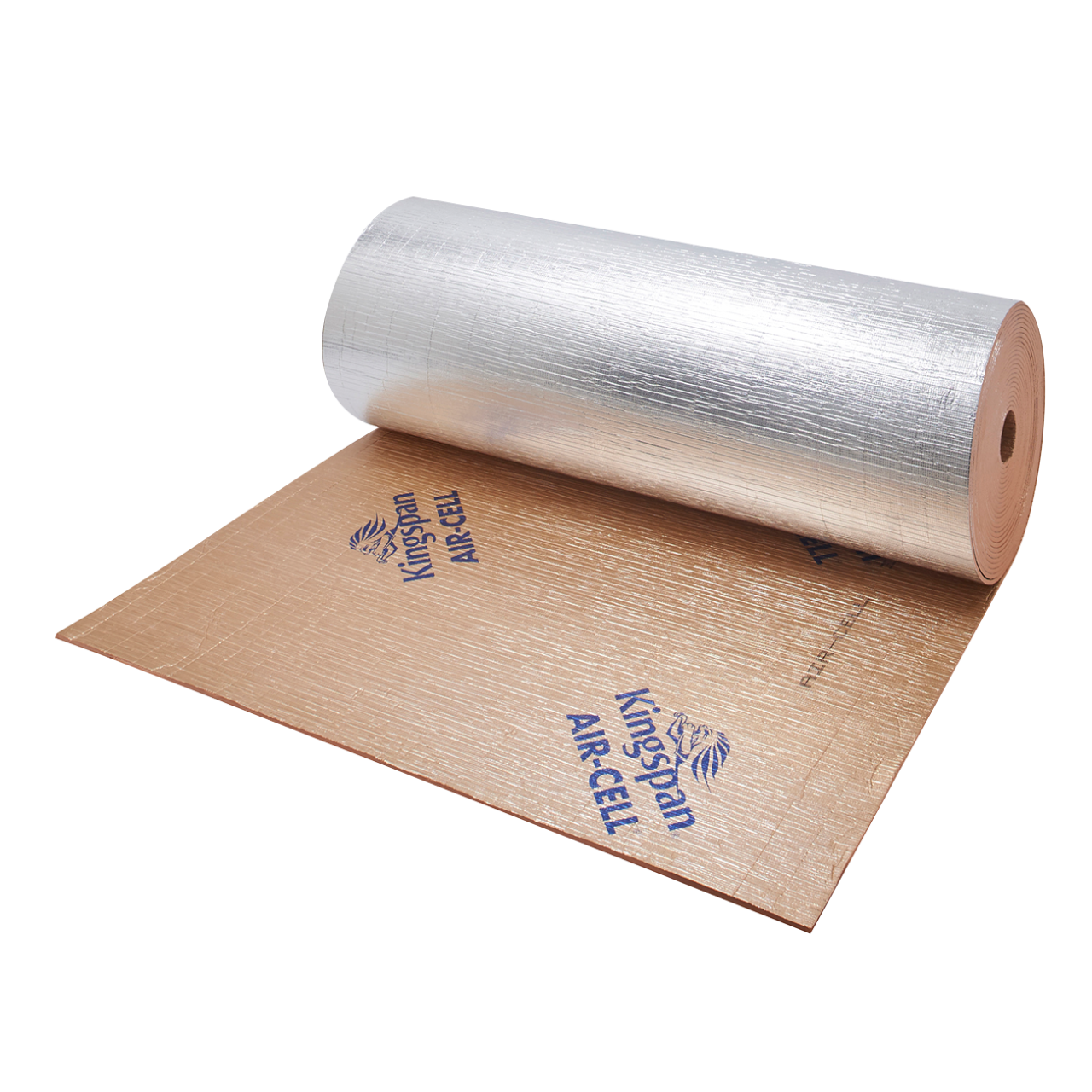
Add sarking to your insulation order and we will have it delivered straight to your site.
Frequently Asked Questions
Is sarking worth it?
For most new homes, yes. Under tiles it protects against wind-driven rain, dust and embers, and under a metal roof it manages condensation and cuts radiant heat. It costs far less to install at roof stage than it would to fix moisture or dust problems later.
What is the difference between sarking and insulation?
Sarking is a thin reflective membrane that reflects radiant heat and manages water. Bulk insulation such as ceiling batts slows heat flow through its thickness and provides most of a home’s thermal resistance. A typical Melbourne home benefits from both, with ceiling insulation doing most of the work.
Do metal roofs need sarking?
A metal roof should have sarking or a foil-faced roofing blanket underneath to control condensation and radiant heat. Without it, condensation can form on the underside of the sheets on cold nights and drip onto the ceiling below.
How long does sarking last?
Installed correctly and kept out of direct sunlight, sarking should last as long as the roof covering above it. The main risks are damage during installation and long exposure to sun before the roof goes on, which can degrade some products.
Building or reroofing?
Builders and roofers can order sarking with their insulation, supply only, through our insulation for builders team. Homeowners can book a free measure and quote for the ceiling insulation that works with it.